7 Things Tesla Doesn't Tell You About Installing A Home Charger
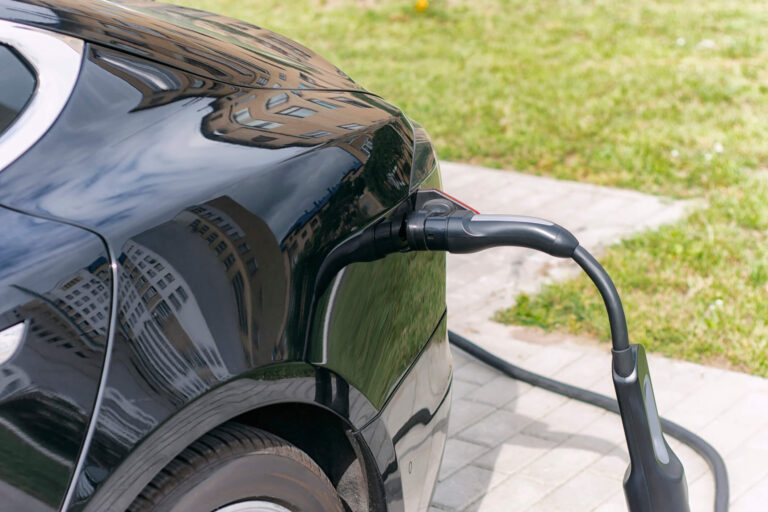
1. Tesla Won’t Install Your Home Charger
Tesla doesn’t have a program where they will directly install a Level 2 charger in your home. Instead, Tesla recommends using its network of Certified Installers, but you aren’t required to hire one. While Volt Lab is directly Tesla-certified for batteries, solar and EV charger installs, any electrician is legally “qualified” to do the work. Be sure to find someone qualified, licensed, and greenlit by Tesla directly to maximize your chance of a quick, clean and safe install.
2. Your Electrical Panel Might Need an Upgrade
Older Seattle homes often have 100-amp electrical panels that weren’t designed for EV charging. Depending on your home’s electrical demands, upgrading to 200 amps might be necessary. However, an experienced electrician can determine whether your existing panel can safely accommodate a charger.
3. You Don’t Need the Fastest Charging Speed
Tesla’s Wall Connector can deliver up to 48 amps, but most drivers don’t need maximum charging speed. Installing a lower-amperage circuit may still fully recharge your vehicle overnight while avoiding an expensive panel upgrade.
4. Charger Placement Can Significantly Affect Costs
The farther your charger is from your electrical panel, the more wiring, conduit, and labor you’ll typically need. Choosing a location closer to your panel could save hundreds of dollars.
5. You Can Charge Without a Wall Connector
Tesla’s Mobile Connector works with compatible 240-volt outlets, giving homeowners another Level 2 charging option. A properly installed outlet may be a more affordable alternative to a permanently mounted Wall Connector.
6. One Charger Can Serve Multiple EVs
Planning on buying another EV? Tesla’s Universal Wall Connector supports Teslas and other compatible EVs. Multiple compatible Wall Connectors can also share available electrical capacity, potentially avoiding additional electrical upgrades.
7. Your Utility Company Might Pay for Part of Your Installation
Before paying full price, check whether your local utility offers EV charger incentives. Some Washington utilities provide rebates or special programs for home charging equipment and installation. You may also qualify for reduced electricity rates when charging during off-peak hours. These programs vary by provider and change over time, so checking before installation could help you save money both upfront and long-term.
Get Your Tesla Charger Installed Right
At Volt Lab Electric, we help Seattle-area homeowners find safe, cost-effective charging solutions without pushing unnecessary upgrades.
Contact Volt Lab Electric today for a free Tesla charger installation estimate.
Ready For Our Help In Repairing, Upgrading, or Renovating Your Home?
Other Shockingly Good Blog Posts:

Do You Really Need Every Electrical Permit They Say You Do?

If Your Seattle Home Was Built Pre-1970, Here’s What To Look Out For